Quick Answer
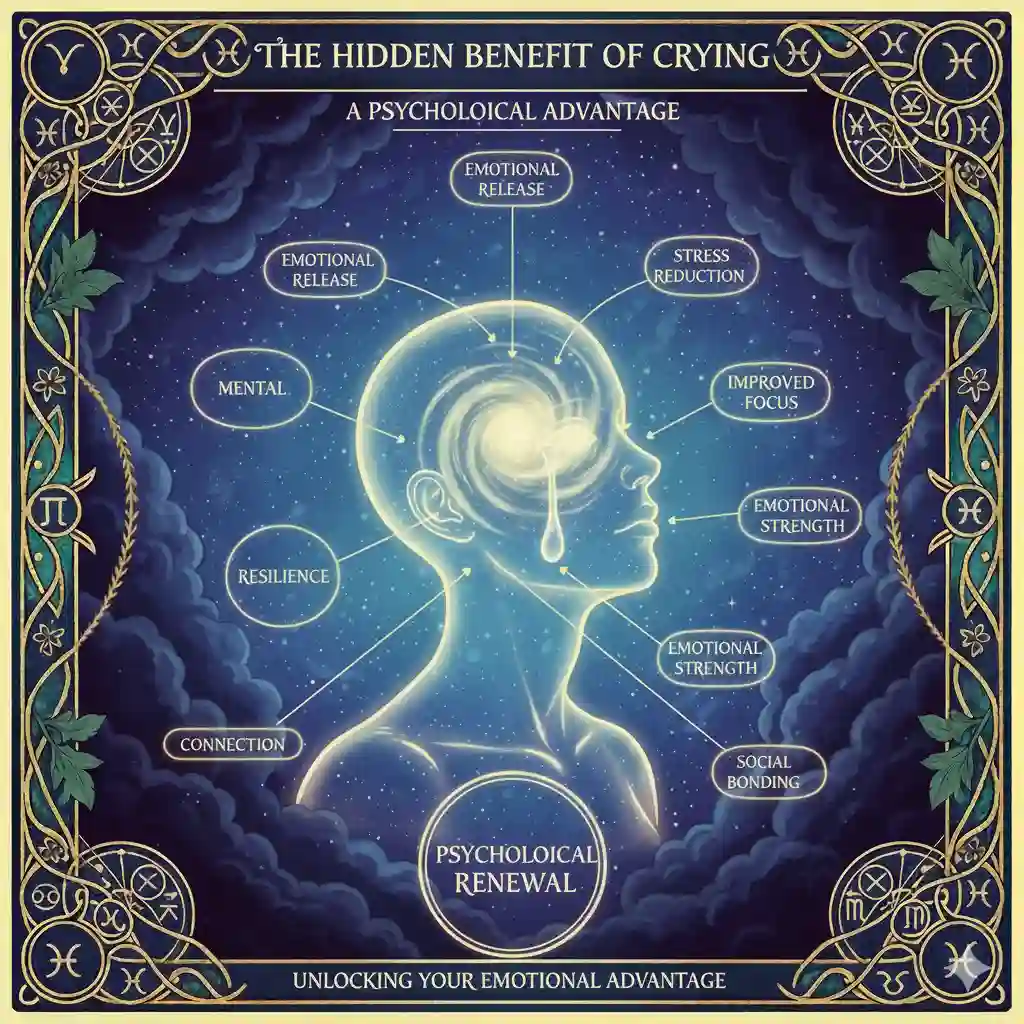
Crying is a complex adaptive behavior that serves critical psychological, physiological, and social functions. Far from being a sign of weakness, crying is a powerful mechanism for emotional regulation. It facilitates a physiological stress reduction by helping to lower cortisol levels and activating the parasympathetic nervous system, which promotes a state of calm after an emotional peak. This process often leads to improved mental clarity, as the brain can shift from a state of high emotional arousal to more balanced cognitive processing. Crying also acts as a vital social signal, communicating vulnerability and distress to others, which in turn elicits empathy and strengthens interpersonal bonds.
Table of Contents
- The Physiology and Neurobiology of Crying
- Emotional and Psychological Effects of Crying
- The Social and Relational Functions of Crying
- Myths vs. Realities: Deconstructing Crying
- Crying as a Tool for Emotional Growth
- Real-World Scenario: Emotional Release and Clarity
- Conclusion
- FAQ + Additional Questions
The Physiology and Neurobiology of Crying
Crying is a sophisticated biological process involving intricate neural and hormonal pathways. Humans produce three distinct types of tears. Basal tears are constantly present to lubricate and protect the eye, while reflex tears are produced in response to irritants like dust or onion fumes. The most complex are emotional tears, which are a unique feature of our species and are chemically different from the other two, containing higher concentrations of stress hormones like prolactin and adrenocorticotropic hormone.
The production of emotional tears is triggered by the limbic system, the brain’s emotional center, which includes the amygdala and hypothalamus. When this system registers a significant emotional stimulus—such as grief, frustration, or even profound joy—it sends signals to the lacrimal glands to produce tears. This activation also engages the autonomic nervous system. Initially, crying involves an increase in sympathetic activity (a “fight-or-flight” response), which is why a crying spell can start with a racing heart and rapid breathing. However, prolonged crying activates the parasympathetic nervous system, which helps the body to rest and recover. This is the physiological basis for the feeling of calm and stress relief that often follows a good cry.
Emotional and Psychological Effects of Crying
The psychological benefits of crying extend far beyond the momentary feeling of release. The experience of cathartic release is one of the most well-known effects. Catharsis is the process of releasing, and thereby providing relief from, strong or repressed emotions. Crying allows for the physical expression of internal turmoil, preventing the buildup of emotional pressure that comes from suppressing feelings. This act of externalizing pain can reduce the intensity of the emotion itself.
Following a crying episode, many people report a sense of mental clarity. This is because crying helps down-regulate the nervous system. When the brain is in a state of high emotional arousal, its executive functions—like logical reasoning and decision-making—are impaired. By facilitating a return to a calmer physiological baseline, crying allows the prefrontal cortex to come back online, enabling clearer thinking and better emotional processing. This connection to emotional regulation is crucial; crying is not about losing control but is often a key step in regaining it. It’s one of many complex emotional reactions our bodies use to maintain equilibrium.
The Social and Relational Functions of Crying
From a social-evolutionary perspective, crying is a powerful communication tool. An infant’s cry signals a need for care, and this function persists into adulthood. Emotional tears serve as a non-verbal signal of vulnerability and distress, communicating to others that we are in a state that requires support. This display of vulnerability is a key component of social signaling, acting as a potent elicitor of empathy and prosocial behavior from onlookers.
When someone responds to our tears with comfort and support, it strengthens the interpersonal bond between individuals. Crying in the presence of a trusted person can foster a deep sense of connection and intimacy. However, the social function of crying is heavily mediated by cultural perceptions. In some cultures or contexts, crying is stigmatized as a sign of weakness, which can lead individuals to suppress this adaptive behavior and forfeit its social benefits. This is why understanding the psychological drivers behind why we bottle up feelings is crucial for fostering healthier emotional expression.
Myths vs. Realities: Deconstructing Crying
Social stigma has created several persistent myths about crying that contradict our scientific understanding. The most pervasive myth is that crying is a sign of weakness or emotional instability. In reality, the ability to cry in response to emotional stimuli is a sign of a healthy, functioning nervous system and emotional capacity. Suppressing the urge to cry consistently can be more detrimental to long-term mental health, as it prevents the natural processing and release of emotional stress.
Another reality is that crying has tangible long-term mental health benefits. Regular emotional release through crying can help prevent the cumulative effects of chronic stress and reduce the risk of anxiety and depression associated with suppressed emotions. While there are observable differences in crying frequency across genders and cultures—often due to socialization rather than biology—the fundamental purpose remains the same. The ability to process intense emotional experiences, whether fear, grief, or joy, is a cornerstone of psychological well-being.
Crying as a Tool for Emotional Growth
Beyond its immediate benefits, crying can be a powerful tool for fostering long-term emotional growth and self-awareness. When we allow ourselves to cry, we are creating space to consciously acknowledge and sit with our deepest feelings, rather than avoiding them. This act of “feeling the feelings” is the first step toward integrating them into our broader life experience. Instead of letting sadness or grief fester unprocessed, crying allows us to metabolize the emotion.
This process boosts self-awareness by providing direct feedback about what truly affects us. Noticing what makes you cry can reveal your deepest values, fears, and attachments. This awareness is crucial for adaptive coping. By understanding our emotional triggers, we can make more conscious choices about how we navigate challenging situations. Crying, when viewed as an informative signal rather than a problem to be solved, becomes an essential part of a resilient and emotionally intelligent life.
Real-World Scenario: Emotional Release and Clarity
The Situation:
Sarah had been managing a high-stakes project at work for months, juggling tight deadlines and a difficult team dynamic. After receiving a critical email from her boss highlighting a potential setback, she felt an overwhelming sense of failure and frustration. She held back her emotions during the workday, but upon arriving home, the pressure became too much, and she broke down in tears while talking to her partner.
The Release and Shift in Perspective:
Initially, her crying was intense—a physical manifestation of the accumulated stress. Her partner offered comfort without judgment, creating a safe environment for the emotional release. After about ten minutes, her sobs subsided into calmer, deeper breaths. The racing thoughts about the project began to slow down. The feeling of being overwhelmed was replaced by a sense of exhaustion, but also quiet.
The Aftermath:
In this newfound state of calm, Sarah was able to talk about the problem with a clarity that was impossible before. The emotional charge was gone, leaving only the logistical details of the setback. She realized the issue was manageable and began to brainstorm solutions with her partner. The act of crying had reset her nervous system, allowing her to move from a state of emotional panic to one of effective problem-solving. Her physiological release enabled cognitive and emotional recovery.
Conclusion
Crying is far more than a simple reaction to sadness; it is a complex and deeply functional human behavior with profound physiological, psychological, and social benefits. It serves as an essential mechanism for emotional regulation, helping the body process stress and return to a state of equilibrium. By facilitating catharsis, promoting mental clarity, and strengthening social bonds, crying acts as a vital tool for maintaining mental health. Understanding and destigmatizing tears allows us to embrace this adaptive behavior not as a sign of weakness, but as a testament to our capacity for emotional processing and growth.
FAQ + Additional Questions
Is crying healthy for everyone?
For most people, crying is a healthy and adaptive response to emotion. However, if crying is uncontrollable, occurs without a clear trigger, or interferes with daily functioning, it may be a symptom of an underlying condition like depression and warrant professional consultation.
Can crying reduce stress physically?
Yes. Emotional tears have been found to contain stress hormones, suggesting that crying may help flush these from the body. More importantly, the act of crying stimulates the parasympathetic nervous system, which promotes rest and relaxation, thereby lowering the physical sensations of stress.
Why do some people cry more easily than others?
This can be due to a combination of factors, including temperament, past experiences, hormonal fluctuations, and cultural or familial socialization. Some individuals are simply more neurologically sensitive to emotional stimuli, while others may have been taught to suppress outward displays of emotion.
How does crying affect social relationships?
Crying can strengthen social bonds by signaling vulnerability, which encourages empathy and supportive behavior from others. When responded to with compassion, it can build trust and intimacy between people.
Can crying help prevent emotional bottling?
Absolutely. Crying provides a direct, physical outlet for emotional energy. When we consistently suppress the urge to cry, we engage in emotional bottling, which can lead to a buildup of stress and negative health outcomes over time.
Additional Questions:
- Why do we sometimes cry when we are happy?
Tears of joy are thought to be the body’s way of regulating an intensely positive emotional experience. Just as it down-regulates overwhelming negative emotion, the nervous system may use tears to restore balance during moments of extreme happiness or relief. - Is there a “right” way to cry?
The most beneficial crying episodes are those that occur in a safe and supportive environment and lead to a sense of understanding or release. Crying that is accompanied by hopeless, ruminative thoughts may be less helpful and could be a sign of a larger issue like depression.