Making the decision to seek mental health support is a significant and courageous step. But it is often followed by a deeply overwhelming one: finding the right person to help. You are faced with a confusing alphabet soup of credentials, a wide range of therapeutic styles, and the difficult task of entrusting your well-being to a stranger. This guide is designed to move beyond provider bios and marketing language to give you the clear, evidence-informed perspective you need to make the best choice for you.
1. Fast Answer: What Matters Most When Choosing a Mental Health Provider
While a clinician’s credentials, experience, and specialization are important, research consistently shows that what matters most is the quality of the therapeutic relationship. This includes your sense of fit, trust, and emotional safety with the provider. Beyond that, the most critical factors for successful outcomes are the provider’s commitment to an evidence-based approach, collaborative decision-making, and ensuring continuity of care. This guide provides a full breakdown of mental health provider credentials explained, so you know what questions to ask before starting and can feel confident in your choice.
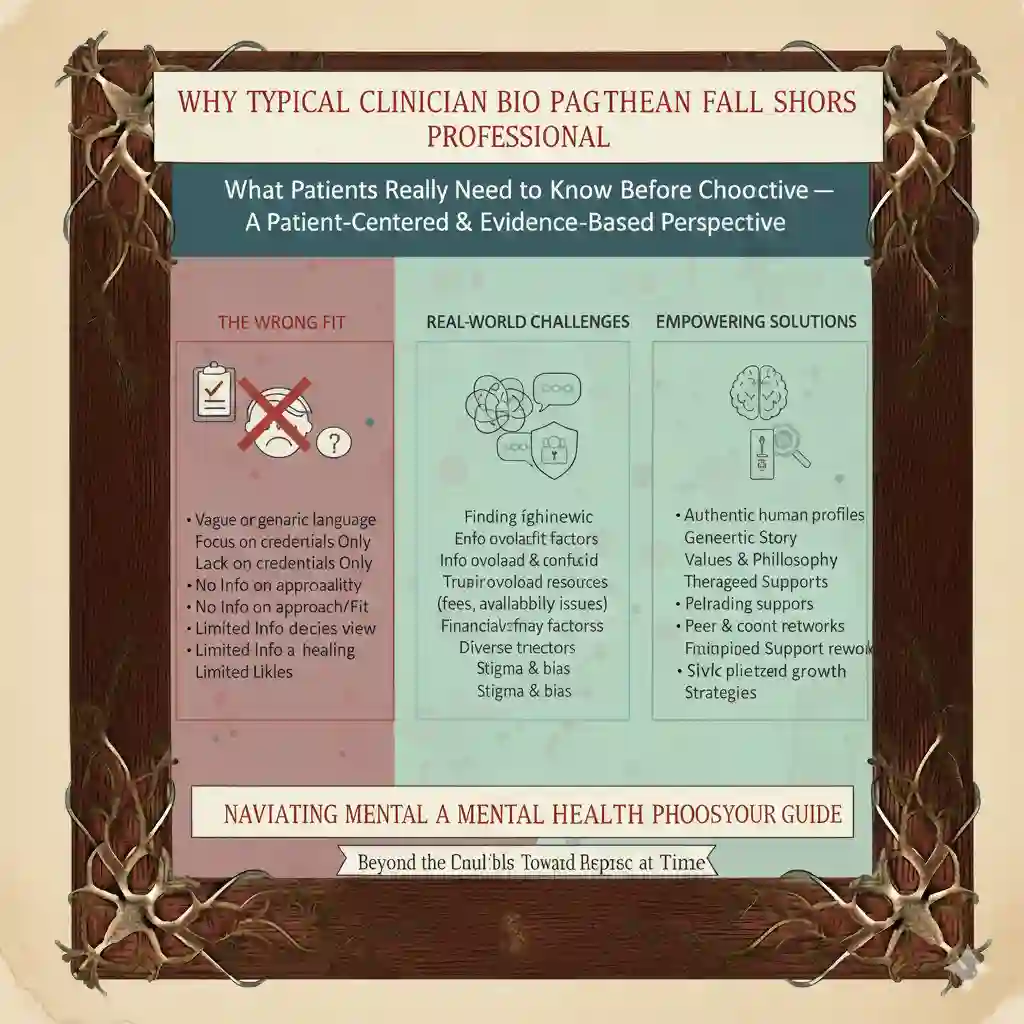
2. Why Credentials Alone Don’t Tell the Full Story
The letters after a clinician’s name—MD, PhD, PsyD, NP, PA-C, LCSW, LPC—can feel like an intimidating code. Each represents a different educational path, scope of practice, and philosophical approach. Understanding these clinician credential distinctions is the first step in narrowing your search. A provider’s bio tells you their qualifications, but understanding what those qualifications mean helps you anticipate their treatment style. The primary difference often comes down to prescriptive authority vs. therapy specialization. Some can prescribe medication, some focus exclusively on talk therapy, and some do both.
3. Core Questions to Ask Before Choosing a Provider
Before committing to a provider, having a list of questions can empower you to assess fit and approach. Think of this as an interview where you are determining if this person is the right professional for the job.
- What is your clinical specialization? (e.g., anxiety, trauma, mood disorders)
- What are your primary tools? Are they therapy, medication, or both?
- What is your approach to evidence-based treatment?
- How do you personalize care for each individual?
- What is your process for handling crises or after-hours emergencies?
- What is your philosophy on medication versus talk therapy?
- Do you use measurement-based care to track progress? (e.g., symptom questionnaires)
The answers to these questions will reveal a provider’s philosophy and help you determine if their approach aligns with your goals and values.
4. Understanding Different Mental Health Roles
Here is a breakdown of the most common mental health provider credentials explained in simple terms.
- Psychiatrist (MD/DO): A medical doctor who has completed residency training in psychiatry. They are qualified to diagnose mental health conditions, provide therapy, and prescribe medication. Their training is rooted in the medical model of mental illness.
- Psychiatric Nurse Practitioner (NP/PMHNP): A registered nurse with advanced master’s or doctoral-level training in psychiatric nursing. They can diagnose conditions and, in most states, have prescriptive authority. They often take a holistic, patient-centered approach.
- Physician Assistant (PA-C): A medical professional with a master’s degree who is trained to diagnose and treat illnesses under the supervision of a physician. In a psychiatric setting, they can manage and prescribe medications.
- Psychologist (PhD/PsyD): A professional with a doctorate in psychology. They specialize in therapy, psychological testing, and clinical assessment. They do not prescribe medication (with a few exceptions in certain states). PhDs are often more research-focused, while PsyDs are more clinically focused.
- Counselor/Social Worker (LPC, LCSW, MFT): Professionals with master’s degrees who are trained in providing talk therapy and skills-based treatment. They focus on behavioral, emotional, and relational health.
5. Evidence-Based Treatment: What It Is and Why It Matters
Evidence-based mental health treatment refers to therapeutic approaches that have been scientifically validated through rigorous research to be effective for specific conditions. It means your treatment is not based on guesswork but on proven methods.
Examples of therapy modalities explained through an evidence-based lens include:
- Cognitive Behavioral Therapy (CBT): Focuses on identifying and changing unhelpful thought patterns and behaviors.
- Dialectical Behavior Therapy (DBT): Often used for emotional dysregulation, it teaches skills in mindfulness, distress tolerance, and interpersonal effectiveness.
- Acceptance and Commitment Therapy (ACT): Helps you accept difficult feelings while committing to actions aligned with your values.
Choosing a clinician who practices evidence-based care increases the likelihood of a positive outcome because their methods are backed by data.
6. What “Fit” Really Means in Mental Health Care
The concept of “fit” is more than just liking your provider. It is the foundation of the therapeutic alliance, which is the single best predictor of successful treatment. Key elements of fit include:
- Emotional Safety and Trust: Do you feel you can be honest and vulnerable without judgment?
- Therapeutic Alliance: Do you feel like you and your provider are a team working toward a shared goal?
- Communication Style: Does their way of speaking and explaining things resonate with you?
- Cultural and Identity Sensitivity: Do they show awareness and respect for your background, identity, and values?
- Collaborative Planning: Do you feel involved in decisions about your treatment?
Finding a therapist that fits you is a core component of patient-centered therapy selection.
7. Red Flags and What to Watch For
While most clinicians are dedicated professionals, it is helpful to be aware of signs that a provider may not be the right fit. This is not about alarmism but about empowering you to trust your instincts.
- Rigidity: A refusal to consider different treatment approaches or adjust the plan when things are not working.
- Dismissiveness: Your values, preferences, or concerns about side effects are downplayed or ignored.
- Lack of Collaboration: Treatment feels like something being done to you, not with you.
- Overly Medication-Centric Narrative: A focus on medication as the only solution, without giving weight to therapy, lifestyle, or environmental factors.
Good patient-centered mental health care should make you feel heard, respected, and empowered.
8. How to Combine Medication & Therapy Smartly
For many conditions, the most effective approach is integrated mental health care, which combines medication and therapy. Medication can help stabilize your neurochemistry, making it easier to engage in the difficult work of therapy. Therapy, in turn, helps you build the skills and insights needed for long-term well-being, so you may not need to rely on medication forever.
A holistic assessment should always come first. A good provider will not assume that medication is always the first or only step. The medication vs. talk therapy debate is not about which is better, but how they can work together to support you.
9. Real Life Decision Examples (Scenario Based)
- Scenario 1: Anxiety. Someone with persistent anxiety might start with a psychologist or counselor (LPC/LCSW) for CBT. If symptoms don’t improve, that therapist might then refer them to a psychiatrist or NP for a medication consultation to be used alongside therapy.
- Scenario 2: Depression with no appetite for therapy. An individual feeling too lethargic and unmotivated for talk therapy might begin with a psychiatrist or PA-C to find a medication that can lift their mood and energy enough to be able to engage in therapeutic work.
- Scenario 3: Overlapping ADHD and mood symptoms. This person would benefit from a provider (often a psychiatrist or psychologist specializing in adult ADHD) who can conduct a thorough diagnostic assessment to determine if the mood symptoms are a result of untreated ADHD or a separate condition.
10. Actionable Next Steps
- Research Providers: Use online directories (like Psychology Today) or your insurance portal. Read bios, but with the context from this guide in mind.
- Make an Initial Call: Prepare your questions from the list above. This is your chance to get a feel for their communication style.
- Evaluate the Response: Did they answer your questions clearly? Did you feel rushed or heard? Trust your gut.
- Know When to Change: It is perfectly acceptable to change providers if you feel the fit isn’t right after a few sessions. This is your health, and you are in the driver’s seat.
FAQs — Your Questions Answered
What’s the difference between a psychiatrist and a psychologist?
A psychiatrist is a medical doctor (MD) who can prescribe medication. A psychologist has a doctorate (PhD or PsyD) and specializes in therapy and psychological testing.
Is a PA-C qualified to prescribe mental health medication?
Yes, a Physician Assistant (PA-C) working in a psychiatric setting is qualified to manage and prescribe medications under the supervision of a physician.
What questions should I ask before booking a mental health appointment?
Ask about their specialization, their approach to therapy and medication, how they measure progress, and their process for emergencies.
Should I choose therapy first or medication first?
This depends on your symptoms and preferences. For mild to moderate issues, therapy is often the recommended first step. For severe symptoms that impair daily functioning, medication may be a necessary starting point.
How important is evidence-based treatment?
Very. It ensures that the care you are receiving is supported by scientific research, which significantly increases the chances of a positive outcome.
What signs suggest a clinician is a good fit?
You feel heard, respected, and safe. You feel like you are working as a team, and you are comfortable being honest with them.