Quick Answer: Why Does Sharing Secrets Create Closeness?
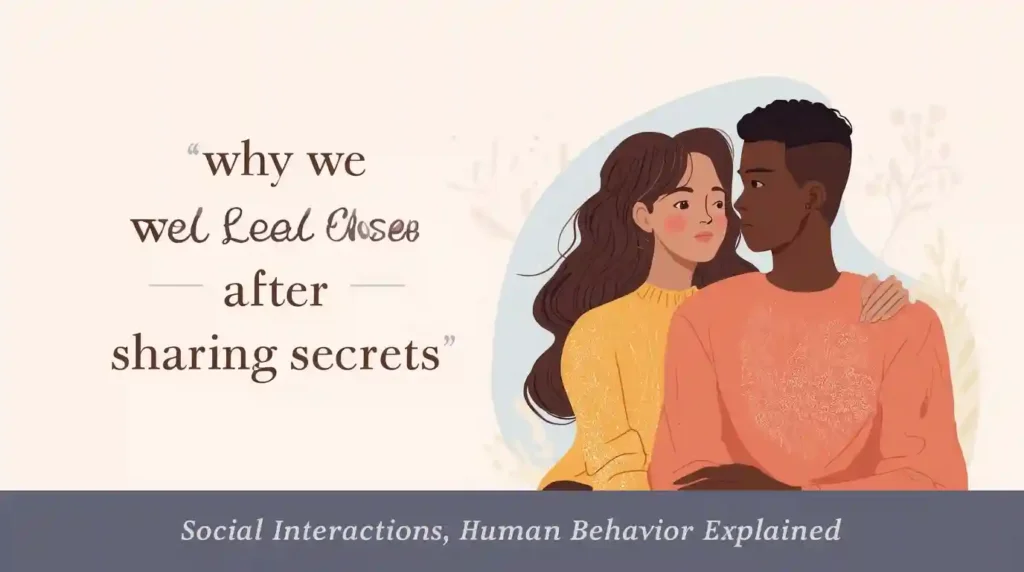
Sharing secrets creates closeness because it is a powerful act of vulnerability that builds trust and signals intimacy. Psychologically, when you share a secret, you are entrusting someone with a part of your authentic, hidden self. This act communicates, “I trust you not to judge or betray me.” The listener, in turn, feels honored and special, and this mutual vulnerability accelerates the bonding process. This exchange fosters a sense of “we-ness,” creating a shared private world that solidifies the relationship and separates it from more casual connections.
Table of Contents
- Introduction: The Currency of Connection
- Vulnerability as the Gateway to Intimacy
- The Trust-Risk Calculation
- Creating a Shared Private World: The “We-ness” Factor
- The Reciprocity Effect: The Urge to Share Back
- Reducing Cognitive Load and Finding Validation
- The “Secret Keeper” High: The Dopamine of Being Trusted
- The Difference Between Healthy Sharing and Oversharing
- How to Create Safe Spaces for Sharing
- Frequently Asked Questions (FAQs)
- Conclusion: The Transformative Power of Being Known
Introduction: The Currency of Connection
There’s a distinct shift in the energy between two people after a secret has been shared. A quiet conversation late at night, a whispered confession over coffee—these moments can transform a casual acquaintance into a close confidant in an instant. The act of revealing something hidden, of sharing a piece of your inner world that you’ve kept guarded, is one of the most powerful tools of human connection. But why is this so? Why does entrusting someone with our private thoughts, fears, or past mistakes feel like such a potent catalyst for intimacy? It’s not just about the information itself. The real magic lies in the psychology of the exchange. Sharing a secret is a fundamental human behavior rooted in our deep need for trust, validation, and belonging. It is a carefully offered currency of connection, and understanding its value is key to building deeper, more meaningful relationships.
Let’s begin by exploring the foundational element that makes secret-sharing so powerful.
Vulnerability as the Gateway to Intimacy
At its core, sharing a secret is a profound act of vulnerability. You are intentionally exposing a part of yourself that is unpolished, imperfect, and perhaps even shameful. You are taking off the social mask you wear for the world and showing someone what lies beneath. According to researcher Dr. Brené Brown, vulnerability is not weakness; it is the birthplace of connection, love, and belonging. When you share a secret, you are taking an emotional risk. You are essentially saying, “This is the real me. Can you handle it?” This act of courage signals to the other person that you see them as safe and trustworthy. It’s a powerful, non-verbal communication that you value the relationship enough to risk potential judgment or rejection. This is why we attach emotionally when we feel that sense of safety; vulnerability is the fast track to building an authentic bond.
This vulnerability is inextricably linked to a cognitive and emotional calculation.
The Trust-Risk Calculation
Every time we consider sharing a secret, our brain performs a rapid, often unconscious, trust-risk calculation. We weigh the potential benefits of increased intimacy and relief against the potential risks of betrayal, judgment, or the secret being used against us. When we decide to proceed, it signifies that our trust in the person outweighs our fear of the risk. This decision is a powerful endorsement of their character. For the person receiving the secret, they understand, on an intuitive level, that they have “passed” this test. They have been deemed worthy of significant trust. This mutual understanding—that a risk was taken and accepted—forms a strong, implicit contract between two people. The secret becomes a shared asset, and the act of protecting it together strengthens the foundation of the relationship.
Sharing a secret doesn’t just strengthen the bond; it fundamentally changes the nature of it.
Creating a Shared Private World: The “We-ness” Factor
When you share a secret with someone, you create a boundary. On one side of the boundary is the rest of the world, which does not know the secret. On the other side is you and the person you told, existing within a new, shared private world. This creates a powerful sense of “we-ness” or “in-group” status. The secret acts as a password that grants access to a more exclusive level of the relationship. This is why childhood friendships are often cemented by shared secrets; it’s a way of saying, “We are a team, and this is our special knowledge that no one else has.” This shared reality makes the relationship feel unique and significant, distinguishing it from all the other, more superficial connections in your life. It’s a cognitive shift from “you and I” to “us.”
The act of receiving a secret often triggers a powerful social impulse in us.
The Reciprocity Effect: The Urge to Share Back
One of the most powerful dynamics in social psychology is the norm of reciprocity. When someone does something for us, we feel a strong urge to do something for them in return. This applies directly to secret-sharing. When a person makes themselves vulnerable by telling you a secret, it creates a social and emotional imbalance. To restore that balance and to signal that the trust is mutual, you will often feel a powerful compulsion to share a secret of your own. This “disclosure reciprocity” is a dance of escalating intimacy. Person A shares something personal, signaling trust. Person B reciprocates, matching the level of vulnerability. This back-and-forth exchange deepens the connection incrementally, with each disclosure building upon the last. It’s a conversational staircase leading to a much deeper level of intimacy.
Beyond the social benefits, the act of sharing a secret has a profound impact on our own mental state.
Reducing Cognitive Load and Finding Validation
Keeping a secret, especially a significant or emotionally charged one, requires a great deal of mental energy. Psychologists refer to this as “cognitive load.” You have to actively suppress the thought, monitor your conversations to avoid letting it slip, and manage the emotions associated with it. This is exhausting. The act of finally sharing the secret with a trusted person provides an immense sense of relief. It’s like putting down a heavy bag you’ve been carrying for miles. Furthermore, sharing the secret allows you to receive validation. When you share a past mistake or a current fear, and the other person responds with empathy (“I’ve felt that way too”) instead of judgment, it normalizes your experience. It silences the inner critic that tells you you are alone in your feelings, a key reason why our brain seeks validation. This validation is incredibly powerful and makes you feel deeply seen and understood.
Interestingly, the person receiving the secret also gets a psychological boost.
The “Secret Keeper” High: The Dopamine of Being Trusted
Being entrusted with a secret is a powerful social signal that you are valued and respected. It affirms your status as a trustworthy, reliable, and important person in someone’s life. This can trigger a release of “feel-good” neurochemicals like dopamine and oxytocin in the brain. You feel a sense of honor and importance. Your brain’s reward system is activated not just by being liked, but by being trusted. This positive feeling reinforces your commitment to the person and the secret itself. It makes you want to protect the bond you’ve just strengthened. This “secret keeper” high is part of what makes the exchange so mutually beneficial and bonding. Both the sharer and the keeper receive a psychological reward from the interaction.
However, not all sharing is created equal, and context is critical.
The Difference Between Healthy Sharing and Oversharing
While sharing secrets is a powerful bonding tool, there is a crucial difference between healthy vulnerability and “oversharing.” Healthy sharing is reciprocal, paced, and appropriate for the level of trust that has been established in the relationship. It’s about testing the waters with a small disclosure before moving to a larger one. Oversharing, on the other hand, is when someone discloses deeply personal information too early in a relationship, without regard for the other person’s comfort or the established level of trust. This can have the opposite effect, making the listener feel uncomfortable, burdened, and put on the spot. It can be a sign of poor boundaries or an attempt to fast-track intimacy in a way that feels inauthentic and overwhelming. True closeness is built brick by brick, not by dropping a whole wall on someone at once.
To harness the power of this behavior, you must be a good steward of it.
How to Create Safe Spaces for Sharing
Building the kind of trust that allows for healthy secret-sharing is an active process.
- Listen Without Judgment: The most important thing you can do to make someone feel safe is to listen with empathy. Put away your phone, make eye contact, and focus on understanding their perspective rather than formulating your response.
- Offer Validation: Use phrases like, “That sounds really difficult,” or “I can understand why you would feel that way.” You don’t have to agree with their actions to validate their feelings.
- Be a Vault: If someone tells you something in confidence, that confidence must be absolute. Protecting people’s secrets is the single most important way to prove your trustworthiness over time.
- Share Your Own Vulnerabilities: To encourage others to open up, you must be willing to be vulnerable yourself. Start with small, low-risk disclosures to signal that you are open to a deeper level of connection.
Frequently Asked Questions (FAQs)
1. What does it mean if someone tells me a secret on the first date?
This can be a red flag for oversharing. While it could be a sign that they feel a strong connection, it’s more often an indication of poor boundaries or an attempt to create “instant intimacy.” Proceed with caution and don’t feel pressured to reciprocate with a secret of your own.
2. Why does it feel good to share a secret, even with a stranger?
This is known as the “stranger on a train” phenomenon. Sharing a secret with a stranger can feel safe precisely because they are removed from your social circle. You get the relief of unburdening yourself without the risk of the secret impacting your daily life or reputation.
3. Is it ever okay to share someone else’s secret?
The only exception is if the secret involves a direct threat of harm to the person themselves or to someone else. In situations involving potential abuse, self-harm, or illegal activity, your responsibility to safety outweighs your promise of confidentiality.
4. Why do I feel guilty after sharing a secret?
This is often called a “vulnerability hangover.” After making yourself vulnerable, it’s common to feel a wave of fear or regret, worrying that you’ve said too much or will be judged. This is a normal part of the process and usually subsides as you see that the trust has been honored.
Conclusion: The Transformative Power of Being Known
The sharing of secrets is far more than simple gossip or the exchange of information. It is a fundamental ritual of human connection, a carefully choreographed dance of vulnerability and trust. Each secret shared is a thread woven into the fabric of a relationship, making it stronger, more intricate, and more unique. It is our way of navigating the universal human dilemma: our deep-seated need to be our authentic selves and our equally deep-seated fear of what will happen if we are. By choosing to trust someone with our hidden truths, we are not only unburdening ourselves but also offering them the profound gift of being truly needed. In the end, we feel closer not just because we shared a secret, but because we risked being truly known, and found we were accepted.