Quick Answer Section
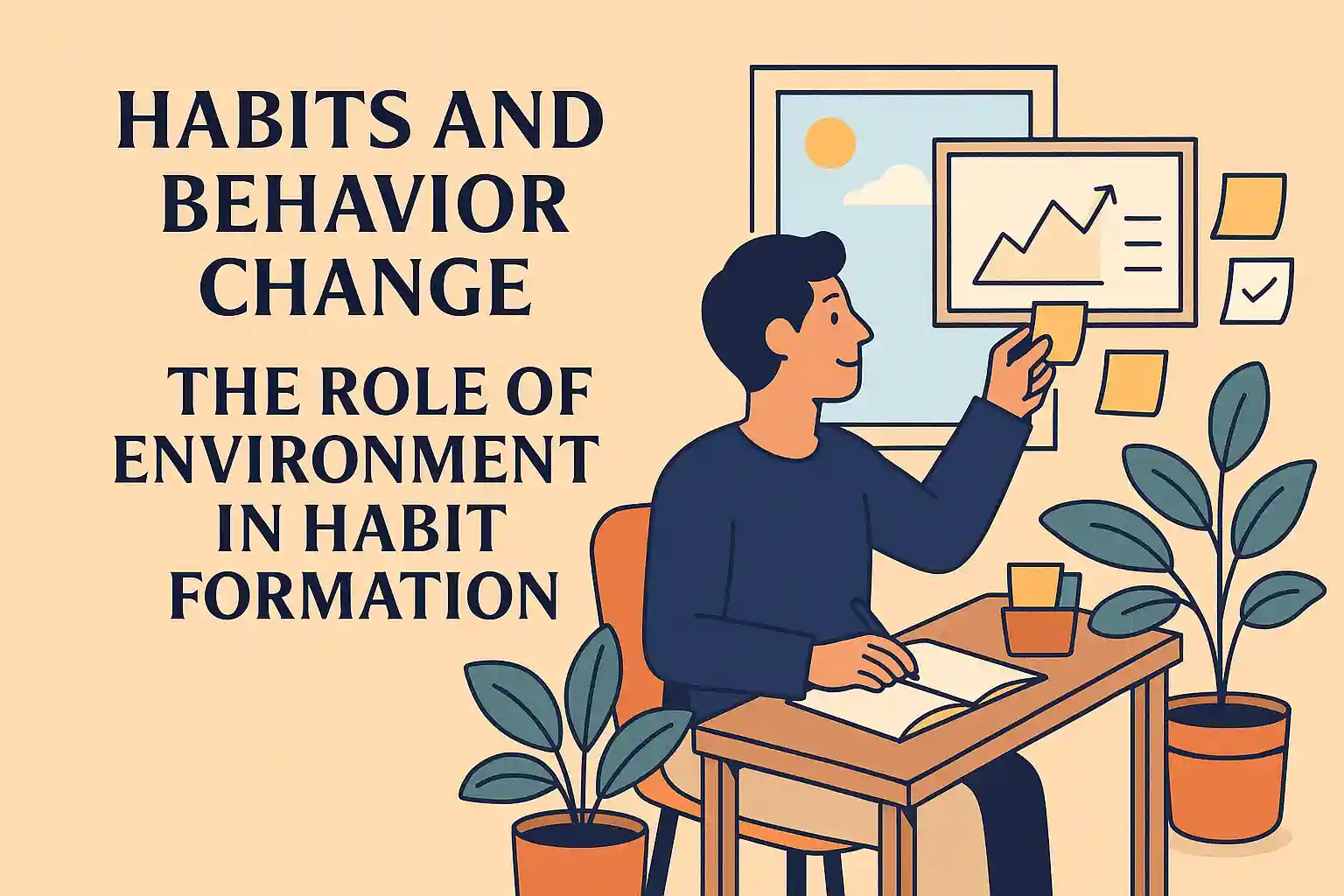
The environment plays a significant role in shaping our habits and behaviors. Whether it’s your home, workplace, or social circle, the physical and social surroundings can either support or hinder your efforts to form new habits. By intentionally designing your environment, you can create a space that encourages positive behaviors and helps you stay on track with your goals. This article explores how environmental factors influence habit formation, offering practical tips on how to optimize your surroundings for better behavior change.
Table of Contents
- Introduction: Why Your Environment Matters for Habit Formation
- The Science Behind Environment and Behavior
- How the Environment Shapes Our Habits
- 1. Environmental Cues: Triggers for Behavior
- 2. The Power of a Structured Environment
- 3. Social Influence and Habit Formation
- Designing Your Environment to Support Positive Habits
- 1. Create Physical Cues for Your Desired Habits
- 2. Remove Temptations and Distractions
- 3. Build a Supportive Social Environment
- How to Use Environment to Break Bad Habits
- Special Section: Advanced Strategies for Using Environment to Form Habits
- Frequently Asked Questions (FAQs)
- People Also Ask
- Conclusion: Harnessing Your Environment to Build Lasting Habits
Introduction: Why Your Environment Matters for Habit Formation
You may have heard the saying, “Your environment shapes your behavior.” This concept is particularly important when it comes to forming habits. Whether you’re trying to establish a fitness routine, improve your diet, or develop a new skill, the environment in which you spend most of your time has a powerful influence on your success or failure.
Your environment—everything from the layout of your home to the people you interact with—can either support or sabotage your habit-building efforts. In this article, we will delve into how your environment affects habit formation, and provide actionable steps to optimize your surroundings to foster lasting behavior change.
The Science Behind Environment and Behavior
Research in behavioral psychology shows that our environment triggers automatic responses that drive our behaviors. Habits are essentially automatic responses to cues in the environment, and these cues shape how we act. For example, the sight of a gym bag by the door may prompt you to go for a workout, while the sight of a phone on the table may lead to checking social media.
Environmental factors can also influence our decision-making. Studies have shown that people are more likely to choose healthy foods when those foods are easily accessible and prominently displayed in their kitchens. Similarly, individuals are more likely to engage in productive tasks when they have a clean, organized workspace.
By understanding the science of environmental cues and how they trigger habitual behaviors, you can design a physical and social environment that actively supports your goals and encourages positive habit formation.
How the Environment Shapes Our Habits
1. Environmental Cues: Triggers for Behavior
Habits are formed in response to cues, which are often external stimuli in our environment. These cues can include sights, sounds, smells, or even social situations. For instance, the presence of your workout clothes in a visible spot might encourage you to exercise, while a fast-food advertisement might prompt you to indulge in unhealthy eating.
How it works:
- Positive cues: Placing healthy snacks on the counter, keeping your workout gear in sight, or setting out your journaling supplies can prompt you to engage in these activities.
- Negative cues: If your phone is always within reach or you have an overabundance of unhealthy foods in your kitchen, these cues can lead to bad habits like excessive screen time or poor dietary choices.
2. The Power of a Structured Environment
The structure and organization of your environment significantly affect your ability to form and maintain habits. A cluttered or disorganized environment can create stress and hinder productivity, while a structured environment supports focus and encourages positive behaviors.
How it works:
- A clean, tidy space allows you to concentrate on the task at hand and reduces mental clutter. For example, a well-organized desk or dedicated study area can help you stay focused and consistent with work or learning habits.
- Having dedicated spaces for specific activities (e.g., a designated reading nook or a quiet corner for meditation) ensures that you’re more likely to engage in these behaviors.
3. Social Influence and Habit Formation
Humans are social creatures, and our habits are often influenced by the people we surround ourselves with. Whether consciously or unconsciously, the behaviors of those around us shape our own actions. Positive social influence can support habit formation, while negative influence can lead us astray.
How it works:
- Positive influence: Surrounding yourself with people who share your goals or who already have the habits you want to cultivate can inspire you to adopt similar behaviors.
- Negative influence: If you’re surrounded by people who engage in unhealthy habits or are disengaged from their goals, it becomes more challenging to stay disciplined.
Designing Your Environment to Support Positive Habits
1. Create Physical Cues for Your Desired Habits
One of the most effective ways to form a new habit is to use physical cues in your environment. These cues act as reminders to prompt action and can help you stay consistent.
How to do it:
- Visual reminders: Place your gym shoes by the door to prompt exercise, or put a book on your pillow to remind you to read before bed.
- Set up your environment: For example, if you want to eat healthier, place fruits and vegetables at eye level in your fridge or on the counter. Keep junk food out of sight or don’t bring it into the house at all.
2. Remove Temptations and Distractions
Eliminating negative cues is just as important as introducing positive ones. If you’re trying to avoid distractions or break bad habits, the first step is to remove the triggers that encourage these behaviors.
How to do it:
- Clear clutter from your workspace to improve focus.
- Hide or eliminate temptations—put your phone on Do Not Disturb during focused work periods or remove snacks from your kitchen.
- Set boundaries: Create physical boundaries between spaces dedicated to specific activities, such as working or relaxing.
3. Build a Supportive Social Environment
Surround yourself with people who encourage your growth and habits. Your social circle plays a key role in either supporting or hindering your efforts.
How to do it:
- Join a group or find an accountability partner who shares your goals. For instance, if you want to exercise more, find a workout buddy.
- Seek positive social environments: Engage in activities with friends or family who support healthy habits, whether it’s cooking healthy meals together or going on outdoor walks.
How to Use Environment to Break Bad Habits
Changing your environment is one of the most effective strategies for breaking bad habits. By removing tempting cues and restructuring your surroundings, you can reduce the likelihood of slipping back into old patterns.
Tips for breaking bad habits:
- Rearrange your environment: If you’re trying to quit smoking, remove cigarettes and ashtrays from your home. If you want to stop snacking, avoid keeping junk food within reach.
- Distance yourself from triggers: Avoid places or situations that encourage negative behaviors. For example, if you’re trying to drink less alcohol, don’t spend time at bars or parties where drinking is common.
Special Section: Advanced Strategies for Using Environment to Form Habits
- Environmental Design: Make small changes to your surroundings that support your goals. For example, if you want to meditate, create a calm space in your home with a comfortable chair, candles, and soothing music.
- Habit Stacking: Link a new habit to an existing routine by adjusting your environment. For instance, if you already make coffee in the morning, stack a 5-minute meditation session immediately afterward.
Frequently Asked Questions (FAQs)
- How can I make my environment support my goals?
- Start by identifying the habits you want to form, then design your environment to encourage them. Place visual cues for positive habits and remove distractions that lead to bad habits.
- What if my environment is not ideal for forming habits?
- Even if you can’t control your entire environment, focus on making small changes. Organize your space, remove temptations, and engage with a supportive social circle.
- How long does it take for a habit to form based on my environment?
- Habit formation can take anywhere from 21 to 66 days, depending on the complexity of the habit and consistency. Designing your environment to support these habits can speed up the process.
Additional
- What are environmental cues in habit formation?
- Environmental cues are triggers in your surroundings—such as a clean desk, workout gear, or food in the fridge—that prompt you to engage in a particular habit.
- How does the environment influence our decisions?
- Our surroundings influence our behavior by providing cues that either encourage or discourage specific actions, such as healthy eating, exercise, or productivity.
Conclusion: Harnessing Your Environment to Build Lasting Habits
Your environment has a profound impact on your ability to form lasting habits. By strategically designing your physical and social surroundings, you can make it easier to stay disciplined, avoid distractions, and reinforce your goals.