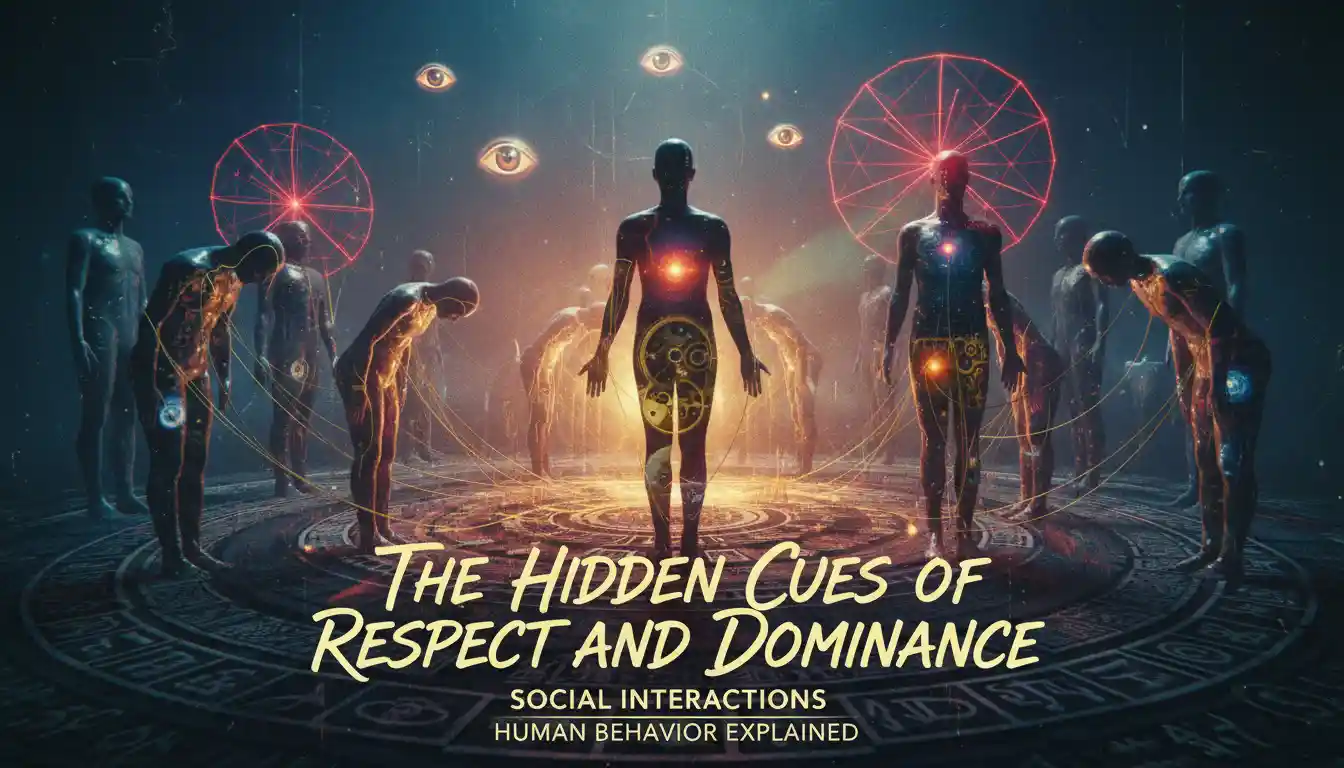
In every social interaction, whether in the workplace, among friends, or in romantic relationships, unspoken cues communicate much more than we realize. These hidden signals—gestures, body language, tone of voice—can indicate respect, dominance, submission, or even the subtle power struggles that influence human behavior. Understanding these cues allows us to navigate social dynamics more effectively and develop better communication skills. In this article, we will explore the hidden cues of respect and dominance, shedding light on how these signals manifest and what they reveal about our social interactions.
Table of Contents
- Introduction to the Cues of Respect and Dominance
- What is Respect in Social Interactions?
- Verbal and Non-Verbal Cues of Respect
- The Role of Listening in Showing Respect
- What is Dominance in Social Interactions?
- Dominant Body Language and Its Signals
- The Power of Posture and Position
- The Science Behind Respect and Dominance
- How Our Brains Process Respect and Power Cues
- The Evolutionary Roots of Respect and Dominance
- Hidden Cues of Respect in Social Interactions
- Active Listening and Eye Contact
- Body Language and Subtle Signals of Deference
- Hidden Cues of Dominance in Social Interactions
- Assertive Posture and Movement
- Dominant Vocal Cues and Speech Patterns
- The Power of Non-Verbal Communication in Respect and Dominance
- The Importance of Personal Space
- Non-Verbal Cues of Aggression vs. Respect
- How to Recognize and Respond to Respect and Dominance Cues
- Common Misinterpretations of Respect and Dominance
- When Dominance is Mistaken for Confidence
- Respect and Submission: Understanding the Balance
- FAQs About Hidden Cues of Respect and Dominance
- Conclusion
Introduction to the Cues of Respect and Dominance
Respect and dominance are powerful forces in human behavior, shaping the way we interact, negotiate, and form relationships. Whether we’re aware of it or not, we constantly send and receive cues that communicate our position within social hierarchies. These cues can be subtle or obvious, intentional or unconscious, but they all contribute to the overall dynamics of respect and power.
Understanding these cues is essential for improving communication, resolving conflicts, and establishing healthier relationships. By learning to recognize and respond to these signals, we can become more attuned to the emotional and social context of our interactions, allowing us to navigate them with greater empathy and awareness.
What is Respect in Social Interactions?
Respect is the foundation of positive social interactions. It involves recognizing the worth and dignity of others and acknowledging their rights, feelings, and contributions. But respect isn’t just about words—it’s also about how we behave and how we make others feel.
Verbal and Non-Verbal Cues of Respect
Respect is often communicated through both verbal and non-verbal cues. In a conversation, respectful individuals listen attentively, speak with consideration, and show interest in the other person’s thoughts and feelings. Non-verbal signals, such as maintaining eye contact, nodding in agreement, and maintaining an open body posture, are all signs of respect. These cues indicate that you are paying attention, valuing the other person’s input, and engaging in the conversation with empathy and understanding.
The Role of Listening in Showing Respect
Active listening is one of the most powerful ways to demonstrate respect. It involves focusing entirely on the speaker, withholding judgment, and responding thoughtfully. When you listen without interrupting or thinking about what to say next, it shows that you value the other person’s perspective. This is one of the most direct and meaningful ways to show respect, as it signals that you see the person’s words as important and worthy of your full attention.
What is Dominance in Social Interactions?
Dominance, on the other hand, refers to the ability to influence or control others in a social setting. While respect is about equality and mutual consideration, dominance often signals a hierarchical relationship where one person holds more power or authority than the other. Dominance can be expressed through body language, speech patterns, and social behaviors that assert one’s position in the social hierarchy.
Dominant Body Language and Its Signals
Dominance is often communicated through body language. Dominant individuals tend to occupy more physical space, take up more prominent positions in social settings, and use their posture to project authority. For example, standing tall with shoulders back, taking up more space in a room, or sitting with an open, expansive posture all signal dominance. These body language cues make the person appear confident, in control, and assertive.
The Power of Posture and Position
In group settings, dominant individuals often position themselves in the center of the room or at the head of the table, where they can command attention and influence others. They may also make deliberate gestures, such as leaning forward to assert their presence or speaking with a strong, clear voice to convey authority.
The Science Behind Respect and Dominance
Understanding how respect and dominance work in social interactions requires examining the science behind human behavior. These concepts have deep evolutionary roots and play significant roles in our brain’s processing of social signals.
How Our Brains Process Respect and Power Cues
Studies in social neuroscience suggest that our brains are hardwired to respond to respect and dominance cues. The brain processes dominance signals, such as strong body language or vocal assertiveness, in areas associated with threat detection and survival. Respect cues, on the other hand, are processed in regions that deal with empathy, compassion, and social connection. These unconscious responses shape how we interact with others and guide our behavior in social situations.
The Evolutionary Roots of Respect and Dominance
From an evolutionary perspective, respect and dominance are mechanisms that have helped humans navigate social hierarchies. Respect allowed individuals to cooperate and work together for mutual benefit, while dominance helped establish leaders and protectors in group dynamics. Over time, these behaviors have become ingrained in human nature, influencing our interactions in both personal and professional settings.
Hidden Cues of Respect in Social Interactions
Respect is communicated not only through what we say but also through what we do. Here are some key hidden cues that signal respect:
Active Listening and Eye Contact
One of the most powerful indicators of respect is active listening. When you listen attentively, you communicate to the speaker that their words matter. Eye contact is also an essential aspect of respectful listening, showing that you are present and engaged in the conversation.
Body Language and Subtle Signals of Deference
Respect can also be conveyed through non-verbal cues such as leaning in, nodding in agreement, and maintaining a relaxed, open posture. These behaviors demonstrate that you are receptive to the other person’s words and show deference to their thoughts and ideas. Conversely, crossing arms, avoiding eye contact, or turning away can signal disinterest or disrespect.
Hidden Cues of Dominance in Social Interactions
Dominance is often more subtle and is expressed through confident, assertive behaviors. Recognizing these cues can help you understand the social hierarchy at play in any given situation.
Assertive Posture and Movement
Dominant individuals often stand with their feet firmly planted, shoulders back, and chest open. Their movements are purposeful and controlled, signaling authority and confidence. They may walk with a strong gait, maintain an upright posture, and avoid slouching—these are all signs of dominance.
Dominant Vocal Cues and Speech Patterns
Dominance can also be communicated through vocal cues. People in dominant positions tend to speak with a steady, clear voice and avoid hesitations or filler words (e.g., “um,” “like”). Their speech may be slower and more deliberate, commanding attention and respect. They may also use volume and tone to assert control in conversations, often talking at a slightly higher volume to project authority.
The Power of Non-Verbal Communication in Respect and Dominance
Non-verbal cues—like body language, posture, and facial expressions—are often more powerful than words in signaling respect and dominance. How we physically carry ourselves communicates much about our social standing and attitude toward others.
The Importance of Personal Space
Personal space is another critical non-verbal cue. Dominant individuals tend to have a larger “personal bubble” and may stand closer to others to assert their presence. In contrast, respectful people tend to be more aware of others’ personal space and give them room to feel comfortable and valued.
Non-Verbal Cues of Aggression vs. Respect
Aggression and dominance are often expressed through closed body language, such as clenched fists, tense posture, and narrowed eyes. These signals create discomfort in social interactions. In contrast, respectful individuals maintain open body language—relaxed shoulders, uncrossed arms, and an approachable demeanor.
How to Recognize and Respond to Respect and Dominance Cues
Being aware of respect and dominance cues helps you navigate social dynamics with more sensitivity and effectiveness. Here’s how to recognize and respond:
- Recognize the cues: Pay attention to body language, posture, and voice tone to identify subtle signs of dominance or respect.
- Respond appropriately: Use active listening, maintain eye contact, and demonstrate empathy to show respect. To handle dominance, stand your ground with confidence and avoid passive behavior.
- Balance the dynamics: If you’re in a situation where dominance is being asserted, balance it with respectful communication to foster cooperation and mutual understanding.
Common Misinterpretations of Respect and Dominance
Sometimes, respect and dominance cues can be misinterpreted, especially in high-pressure situations. Here are a few common misunderstandings:
When Dominance is Mistaken for Confidence
Dominance and confidence can overlap, but they are not always the same. Confidence is about self-assurance and competence, while dominance often involves controlling others or asserting power over them. Recognizing the difference can help avoid conflicts or misunderstandings.
Respect and Submission: Understanding the Balance
Respect should not be confused with submission. Being respectful does not mean yielding to another’s control or giving up your own needs. Healthy relationships are based on mutual respect, where both parties can assert their viewpoints without diminishing one another’s worth.
FAQs About Hidden Cues of Respect and Dominance
- How can I tell if someone is respecting me?
- Look for signs such as active listening, eye contact, and an open body posture. These non-verbal cues indicate that the person values your words and perspectives.
- What are some subtle signs of dominance in a conversation?
- Signs of dominance include taking up more space, speaking confidently without interruptions, using an authoritative tone, and maintaining control over the conversation.
- How do I respond to dominance without becoming passive?
- Stand tall, maintain strong eye contact, and speak clearly. Assertive body language and confident communication can help you navigate dominance effectively.
- Is it possible to respect someone and still assert dominance?
- Yes, respect and dominance are not mutually exclusive. You can assert your authority while still showing respect by listening, acknowledging others’ perspectives, and being considerate in your approach.
- Why do people seek dominance in social settings?
- Seeking dominance is often driven by a need for control, influence, or validation. It may stem from insecurities, competitive environments, or a desire to protect one’s interests.
- Can I be dominant without being disrespectful?
- Yes, dominance can be expressed in a way that is respectful. Dominance doesn’t have to involve manipulation or aggression—it can be about leadership and confident decision-making.
- How can I use respect to influence social situations?
- Demonstrating respect through active listening, empathy, and openness can foster trust and influence others positively in social situations.
- Can body language change the perception of respect or dominance?
- Absolutely. Body language plays a key role in how others perceive you. Open, relaxed body language can convey respect, while closed or tense posture can suggest dominance or discomfort.
- How do I know when to be more dominant or respectful?
- Assess the social context. In some situations, being assertive and taking charge (dominance) is necessary, while in others, showing empathy and respect (listening and validating) is key to building rapport.
- What happens if I ignore respect and dominance cues?
- Ignoring these cues can lead to misunderstandings, conflicts, or a lack of connection. It’s important to be mindful of how you’re perceived and how others express themselves.
Conclusion
Understanding the hidden cues of respect and dominance in social interactions is crucial for building stronger, more effective relationships. By recognizing these signals, you can enhance your ability to communicate with others, navigate power dynamics, and foster respect in any conversation. Whether you’re asserting authority or showing deference, mastering the balance between respect and dominance helps you maintain harmony and influence in your social interactions.
Explore More About Social Interactions and Human Behavior