Meta Title: Why Emotional Pain Hurts More: The Neuroscience of Inner Pain
Meta Description: Discover why emotional pain hurts more than physical pain. Learn how the brain processes inner pain as a threat to identity, meaning, and safety.
1. Fast Answer: Why Emotional Pain Hurts More Than Physical Pain
Emotional pain often hurts more than physical pain because it threatens identity, belonging, meaning, and safety — activating the brain’s pain circuits without a clear endpoint or visible recovery. While a broken bone has a specific location and a predictable healing timeline, emotional wounds are global. They attack your sense of self.
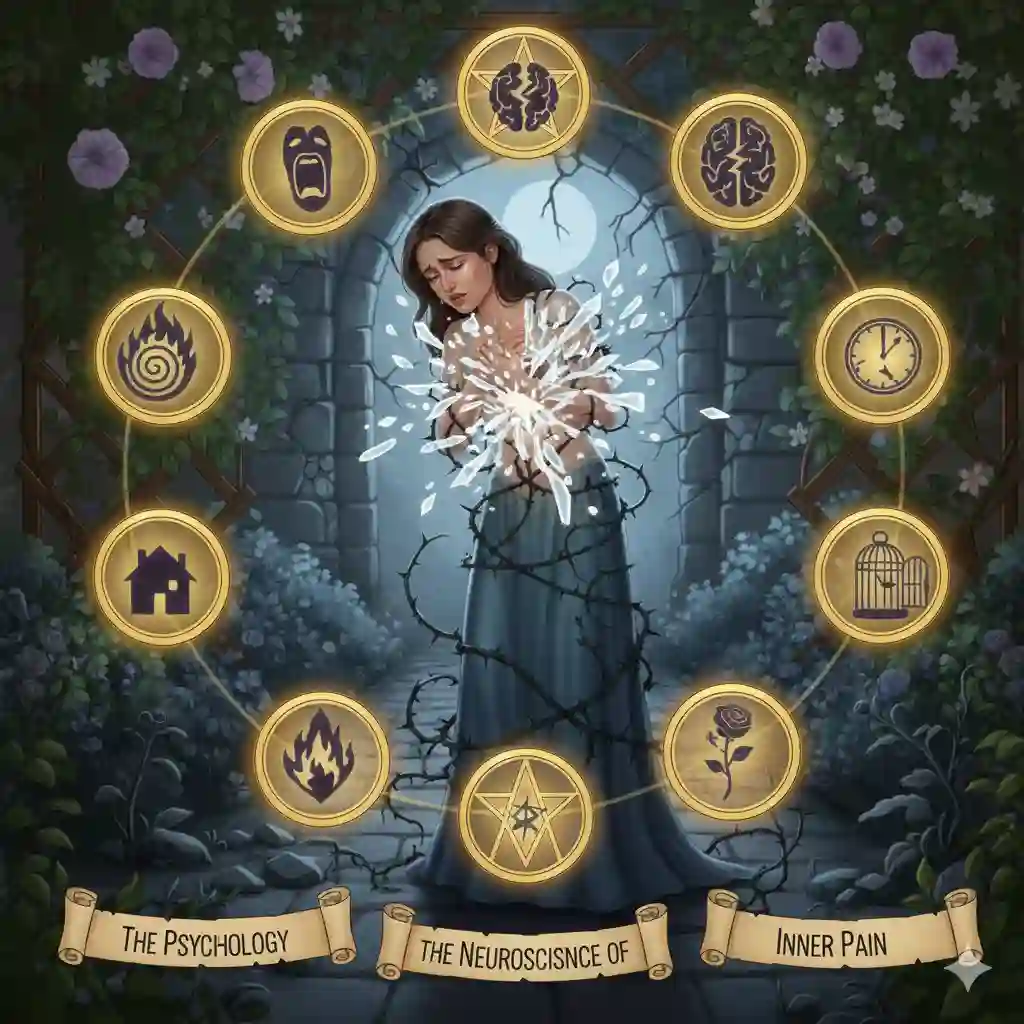
The brain’s neural pathways for emotional and physical pain significantly overlap, meaning the distress of betrayal or loss is processed with the same intensity as a bodily injury. However, emotional pain lingers because the mind replays the event, searching for meaning and resolution that may never come. This makes the experience feel endless and deeply personal. The pain is not a sign of fragility; it is a signal that something of profound significance to your survival as a social being has been threatened.
2. Introduction: Why Inner Pain Feels So Overwhelming
We have all experienced it: the hollow ache of loss, the sharp sting of betrayal, or the crushing weight of failure. While a physical injury commands immediate attention and sympathy, emotional pain is an invisible wound that can feel far more devastating. It follows you from room to room, occupies your thoughts, and can feel impossible to escape. Why is it that inner pain often feels so much more overwhelming than a cut or a bruise?
Humans evolved to feel emotional pain intensely because our survival depends on social connection and a stable sense of self. For our ancestors, being exiled from the tribe was a death sentence. The brain, therefore, treats threats to belonging, attachment, and meaning with the same urgency as a physical attack.
This is why logic often fails in the face of deep emotional hurt. You cannot simply reason your way out of the pain, because it isn’t a logical problem—it’s a biological alarm system. Emotional pain bypasses rational thought and strikes at the core of your identity. It doesn’t ask for suppression; it demands understanding.
3. The Neuroscience of Emotional vs Physical Pain
To understand why emotional pain hurts more than physical pain, we must look at the brain’s shared wiring. Neuroimaging studies reveal that the same brain regions are activated during both experiences. The dorsal anterior cingulate cortex (dACC) and the anterior insula, which process the distressing component of physical pain, also light up when you experience social rejection, grief, or shame.
This neural overlap means your brain doesn’t make a strong distinction between a “real” injury and an emotional one. To your brain, pain is pain. When you feel heartbroken, the distress signal is just as real as when you break a bone.
However, there’s a key difference. Physical pain is usually localized and has a clear shut-off signal—once the injury begins to heal, the pain subsides. Emotional pain, triggered by threats to your identity or connections, can keep the stress hormone system (cortisol and adrenaline) activated for prolonged periods. This creates a state of chronic nervous system arousal with no obvious “off” switch, making the pain feel all-consuming.
4. Why Emotional Pain Targets Identity, Not Just Sensation
A physical injury happens to your body; an emotional injury happens to you. This is the critical distinction that explains why emotional pain vs physical pain can feel so different in its impact. Physical pain is a sensory experience—it has a location, an intensity, and a quality (sharp, dull, burning). Emotional pain, on the other hand, is a threat to your self-concept.
When you experience a deep emotional wound, it is your narrative, your sense of safety, and your understanding of the world that are attacked. A job loss isn’t just a loss of income; it can feel like a verdict on your competence. A breakup isn’t just the end of a relationship; it can feel like a statement about your lovability.
Because memory and self-narrative are so intertwined with emotional pain, the suffering becomes personal and global. It changes how you see yourself and your place in the world. The meaning you attach to the event—”I am a failure,” “I am unlovable”—is what intensifies and prolongs the suffering far beyond the initial event.
5. Emotional Pain and the Nervous System
Your nervous system is designed to detect threats, and it doesn’t differentiate between a predator in the wild and a profound emotional blow. When you experience emotional pain, your body shifts into a survival state: fight, flight, freeze, or collapse.
This autonomic response is why emotional pain feels so destabilizing and creates such powerful bodily symptoms. You may feel agitated and restless (fight/flight) or heavy and paralyzed (freeze/collapse). Your body is reacting to a perceived life-or-death threat before your conscious mind has had a chance to process it. Understanding this can help explain why we bottle up our feelings—it’s often an attempt to manage this overwhelming physiological response.
This state of internal threat can lead to hypervigilance, where you constantly scan your environment for further emotional danger. It’s an exhausting, high-alert state that underscores why emotional pain feels physical—because, to your nervous system, it is.
6. Common Physical Sensations Caused by Emotional Pain
The notion that emotional pain is “all in your head” is a profound misunderstanding of human biology. Emotional distress manifests as real, tangible physical sensations because the mind and body are inextricably linked. These sensations are not imagined; they are the logical result of your nervous system in a threat response.
- Chest Tightness or Heaviness: Often called “heartache,” this sensation is caused by the tensing of chest muscles and changes in breathing and heart rate patterns driven by the stress response.
- Gut Discomfort or Appetite Changes: The gut is lined with neurons and is highly sensitive to stress hormones. Stress diverts blood away from digestion, leading to nausea, stomach pain, or a complete loss of appetite. This is a clear example of how anxiety manifests in your body.
- Fatigue and Shutdown: Processing intense emotional pain consumes a massive amount of metabolic energy. The resulting exhaustion is a protective mechanism, forcing the body to rest and recover from the biological cost of distress.
- Muscle Tension and Headaches: The body braces for impact when it feels threatened, leading to chronically tight muscles in the neck, shoulders, and jaw, which can result in tension headaches.
- Emotional Numbness: When the pain becomes too much to bear, the brain can initiate a “shutdown” response. This experience of why emotional numbness occurs is a form of dissociation, a circuit breaker that protects you from overload.
7. Emotional Reactions to Inner Pain & What They Signal
The emotions that accompany inner pain are not the problem; they are protective signals designed to help you navigate the threat. Understanding what they are trying to tell you is the first step toward healing.
- Shame: Signals a threat to your social standing and belonging. It makes you want to hide to avoid further judgment or exclusion.
- Grief: Signals a significant loss. It forces you to slow down, process the absence, and adjust to a new reality.
- Anger: Signals a boundary violation or injustice. It mobilizes energy to protect the self and restore a sense of agency.
- Fear: Signals an impending threat to your safety, whether physical or emotional. It prompts you to seek security and avoid danger.
- Rumination: The mind’s repetitive loop of replaying the wound. It is an attempt to “solve” the pain, find a different outcome, or prepare for future threats.
- Withdrawal: An instinct to pull away from the world to conserve energy and protect yourself from further harm while you are vulnerable.
Learning to decode these messages is crucial. Instead of fighting them, you can start understanding emotional reactions as your system’s attempt to keep you safe.
8. Why Emotional Pain Lasts Longer Than Physical Pain
A scraped knee scabs over and heals. A broken bone is set in a cast, and its progress is visible on an x-ray. Emotional pain, however, lacks these clear markers of healing, which is one reason why emotional pain lasts longer.
- Lack of Visible Healing: There is no scab on a broken heart. Without external proof of recovery, it’s hard for you or others to gauge progress, making the healing journey feel ambiguous and endless.
- Memory Encoding and Replay Loops: Our brains are hardwired to remember emotional events more vividly than physical ones, a survival mechanism to help us avoid similar threats in the future. We can re-live a betrayal or humiliation with near-perfect clarity years later, reactivating the original pain circuits each time. The brain doesn’t just remember the event; it re-experiences it.
- Meaning-Making without Closure: The mind desperately seeks to make sense of suffering. With physical pain, the cause is usually clear. With emotional pain, the “why” can be elusive. The brain can get stuck in a loop trying to find meaning or closure that may not exist, keeping the wound open.
9. Emotional Pain, Rumination, and Mental Exhaustion
Rumination is the mind’s treadmill. It’s the compulsive tendency to replay distressing events, conversations, and feelings over and over. While the brain’s intent is to solve the problem or gain insight, rumination often achieves the opposite: it magnifies and sustains the emotional pain.
Each time you mentally revisit the wound, you reinforce the neural pathways associated with that pain, making it easier to trigger in the future. This is how a past hurt remains so present. This constant cognitive churning is incredibly draining. It’s like running a background app that consumes all your processing power, leading to profound mental exhaustion.
The pain is no longer just an emotion; it becomes a state of cognitive overload. Your ability to focus, make decisions, and engage with the present moment diminishes. It’s one of the primary pathways to the science of emotional burnout, where the mind and body simply run out of resources.
10. Emotional Pain and Burnout of the Self
When emotional pain is chronic and unprocessed, it can lead to a burnout of the self. This is more than just feeling tired; it’s a state of deep emotional depletion where your capacity to feel, care, and engage with life is severely diminished.
Accumulated emotional stress exhausts your nervous system’s ability to bounce back. Your resilience wears thin, and small setbacks can feel catastrophic. Often, we are told to “be strong” and push through the pain, but this approach only worsens the exhaustion. It’s like trying to run a marathon on a broken leg.
Emotional depletion is not a character flaw or a sign of weakness. It is the predictable biological consequence of carrying too much unresolved pain for too long. Your system is not broken; it is exhausted from being in a constant state of high alert.
11. Why Avoiding Emotional Pain Makes It Stronger
The natural instinct when faced with intense pain is to avoid it. We distract ourselves, numb our feelings, or pretend we’re fine. However, avoidance is a short-term fix with long-term costs. When you suppress emotional pain, you are essentially telling your brain, “This signal is so dangerous that we cannot even look at it.” This reinforces the threat response, making the emotion feel even more powerful and terrifying.
Unacknowledged pain doesn’t disappear; it goes underground. It can manifest as anxiety, irritability, physical ailments, or sudden emotional outbursts. The emotion is still seeking acknowledgment. Emotional pain needs to be processed, not just contained. This is a core tenet of building the secret behind emotional resilience. Processing involves allowing yourself to feel the emotion in a safe way, understanding its message, and letting it move through you. Avoidance keeps you stuck.
12. How Emotional Pain Begins to Ease (Without Forcing It)
Healing from deep emotional pain is not about fighting it or forcing it to go away. It’s about creating the conditions for the pain to be processed and released. This is a gentle, bottom-up process.
- Regulation Before Reasoning: You cannot talk your nervous system out of a threat state. The first step is to send it signals of safety. This can be done through slow, deep breathing, gentle movement, or sensory grounding techniques (like holding a warm mug or feeling your feet on the floor).
- Safety Signals to the Nervous System: Once you are slightly more regulated, you can begin to acknowledge the pain without being swept away by it. This means recognizing, “There is a feeling of sadness here,” instead of “I am sad.” This small linguistic shift creates space.
- Naming Pain Without Identifying As It: Giving a name to what you are feeling (e.g., “This is grief,” “This is shame”) can reduce its intensity. It moves the experience from an overwhelming global state to a specific, manageable emotion.
- Understanding as Emotional Relief: The ultimate relief comes from understanding why the pain makes sense. When you realize your intense reaction is a normal, protective response to a threat against your identity or safety, the shame dissipates.
13. What Emotional Pain Is Asking You to Understand (Not Fix)
Emotional pain is a messenger. Instead of trying to shoot the messenger, we can learn to read the message. The pain is not a problem to be fixed, but a source of information asking for your attention. Consider these reflective prompts:
- What meaning did this pain carry? Did it signify failure, unworthiness, or abandonment?
- What part of me felt threatened? Was it my sense of identity, my belief in a safe world, or my need for connection?
- What expectation was broken? An expectation about yourself, others, or how life “should” be?
- What does this pain protect? Is it trying to protect you from being hurt in the same way again?
These questions shift the focus from “How do I get rid of this pain?” to “What can this pain teach me about my needs and my beliefs?”
14. Core Insight
Emotional pain hurts more than physical pain because it targets meaning, identity, and connection — the very foundations the brain treats as survival itself. The wound isn’t in your body; it’s in your story. Pain is not a flaw; it is a message asking to be understood.
15. Frequently Asked Questions (FAQs)
Why does emotional pain hurt more than physical pain?
It often hurts more because it attacks your sense of self, meaning, and safety. Unlike physical pain, which is localized, emotional pain feels global and can persist indefinitely through memory and rumination, keeping your brain’s threat-detection system on high alert.
Does emotional pain activate physical pain pathways?
Yes. Neuroscience shows that emotional distress from events like rejection or loss activates the same brain regions that process physical pain, such as the anterior cingulate cortex. This is why emotional pain feels physical.
Why does emotional pain cause chest or stomach pain?
These physical symptoms are direct results of the body’s stress response. Hormones like cortisol and adrenaline cause muscle tightening (chest pain) and divert blood from your digestive system (stomach pain or nausea).
Why does emotional pain last so long?
Emotional pain lasts longer because it gets encoded in memory with strong emotional context. The mind replays these memories in a loop (rumination) while seeking closure or meaning, continually re-triggering the pain. There are no visible healing markers, making the process feel endless.
Is emotional pain stored in the body?
In a sense, yes. Unprocessed emotional trauma and chronic stress can lead to a dysregulated nervous system. This manifests as chronic muscle tension, inflammation, and a heightened state of alert—as if the body is “holding” the memory of the threat.
Why do some people feel emotional pain more intensely?
Sensitivity to emotional pain varies due to genetics, attachment history, and past experiences. Early life experiences of instability or trauma can sensitize the nervous system, making it more reactive to perceived emotional threats later in life.
Can understanding emotional pain reduce suffering?
Absolutely. Understanding the biological and psychological reasons for your pain reduces shame and self-judgment (“I’m not broken, this is a normal response”). This shift allows your nervous system to calm down, which reduces the overall intensity of your suffering.
Is emotional pain linked to burnout or anxiety?
Yes, chronic emotional pain is a primary driver of both. The constant state of threat taxes the nervous system, leading to burnout. The fear of future emotional pain can create a state of hypervigilance known as anxiety. This is especially true when powerful emotional triggers are present.
Why can’t I just “get over” deep emotional pain?
Because emotional pain is a survival signal, not a logical choice. Telling yourself to “get over it” is like telling yourself to ignore a fire alarm. The brain will not quiet the signal until it feels that the threat to your identity or safety has been addressed.
Does crying help with emotional pain?
Yes, crying can be a form of emotional release. It can activate the parasympathetic nervous system, which helps calm the body after a stress event. It also releases hormones like oxytocin and endorphins, which have soothing effects.
Why does rejection or betrayal hurt so much?
These experiences hurt profoundly because they strike at our fundamental human need for social connection and trust. As a social species, our brains are wired to interpret rejection as a direct threat to our survival, which is why rejection activates physical pain in the brain.
Can emotional pain make you physically sick?
Yes, prolonged emotional stress can weaken the immune system, increase inflammation, and contribute to a range of health issues, including digestive problems, chronic pain, and heart conditions.
What’s the difference between sadness and depression?
Sadness is a normal emotional response to a painful event and is usually time-limited. Depression is a more persistent state of low mood, loss of interest, and physical symptoms that significantly impairs daily functioning.
How can I stop ruminating about a painful event?
Interrupting rumination requires grounding yourself in the present moment. Engage your senses: notice five things you can see, four you can feel, etc. Practice mindfulness to observe the thoughts without getting caught in their story. This takes practice but helps break the cycle.
Why do I feel ashamed of my emotional pain?
Many cultures promote the idea that emotional pain is a sign of weakness. This can lead to shame, which is a secondary layer of suffering on top of the original pain. Recognizing that pain is a universal human experience can help dismantle this shame. To understand this better, you can explore how shame creates emotional paralysis.
Is it possible to become stronger after emotional pain?
Yes. Processing pain and integrating its lessons can lead to post-traumatic growth. This includes a greater appreciation for life, deeper relationships, increased emotional resilience, and a stronger sense of self.
Does talking about emotional pain help?
Yes, when done with a trusted person. Sharing your experience can reduce feelings of isolation and shame. It also helps you organize your thoughts and feelings, which is a key part of processing and making sense of the pain. This is different from co-rumination, where two people amplify the pain together.
How does emotional pain affect my decisions?
Unprocessed emotional pain often leads to fear-based choices. You might avoid opportunities or relationships to prevent being hurt again. This is a key aspect of the psychology of fear-driven decision-making. Healing allows you to make choices from a place of clarity rather than fear.