Fast Answer
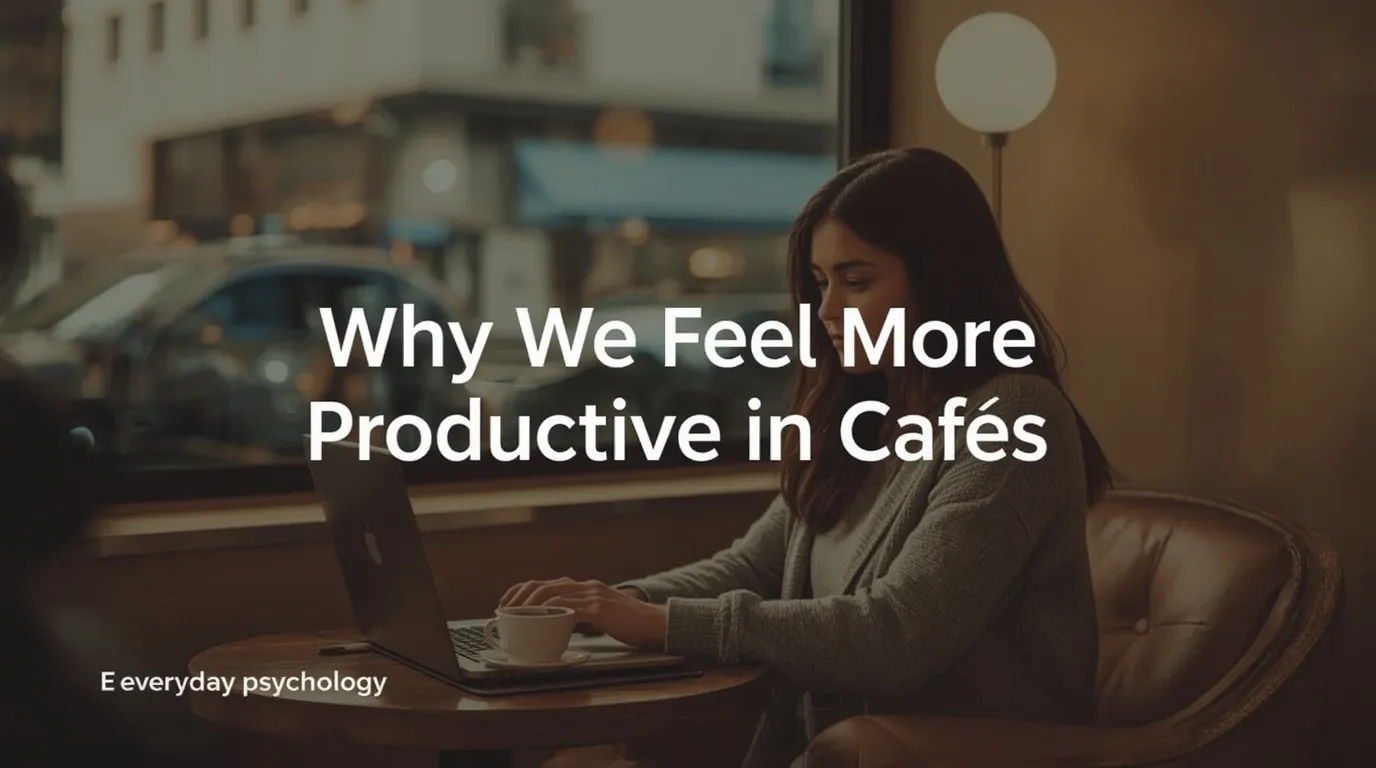
People often feel more productive in cafés because the mild background noise, visual variety, and social presence of others create an ideal level of stimulation for focus. This moderate sensory environment, known as “ambient social energy,” activates the brain’s attention and motivation networks—helping you stay alert without feeling pressured. Psychologically, working in cafés blends solitude with social connection, reducing mental fatigue and increasing creative flow.
Table of Contents
- The Psychology Behind Café Productivity
- How Ambient Noise Improves Focus
- The Concept of Social Facilitation
- Why Change of Environment Boosts Motivation
- The Role of Dopamine and Novelty in Concentration
- Psychological Safety and the Freedom to Create
- Cafés, Flow States, and Deep Work
- The Emotional Meaning of Café Workspaces
- When Café Work Doesn’t Help Productivity
- Practical Tips for Optimizing Café Work Sessions
- FAQs + Additional Questions
- Conclusion
- Next Articles You Might Like
The Psychology Behind Café Productivity
The café effect—feeling more focused and efficient in coffee shops—is a real psychological phenomenon supported by environmental psychology. When we change our work environment from home or office to a public space, our brain interprets the shift as a cue for alertness. The light buzz of conversation and movement provides stimulation without being distracting, which enhances sustained attention.
This concept mirrors the balance between external input and internal regulation discussed in The Hidden Meaning Behind Awkward Silence. Just as silence can heighten self-awareness, gentle environmental noise can activate focus by keeping the mind engaged but not overwhelmed.
How Ambient Noise Improves Focus
Research shows that moderate ambient noise—typically around 70 decibels, similar to a café—can boost creative thinking and cognitive performance. The brain’s prefrontal cortex responds positively to mild auditory stimulation, maintaining an optimal balance between alertness and calm.
This phenomenon, called stochastic resonance, suggests that a small amount of background noise helps the brain detect signals more efficiently. In simple terms, the right level of sound helps you “tune in.” This effect is also linked to dopaminergic activation, where subtle stimulation increases motivation to continue working, much like what’s described in The Neuroscience of Focus and Flow: How to Enter Deep States of Peak Performance.
The Concept of Social Facilitation
Human beings are social by design. The psychological principle of social facilitation explains that the presence of others—whether real or implied—enhances performance on simple or familiar tasks. In cafés, being surrounded by others working or interacting triggers a mild sense of accountability.
This subconscious pressure to “be productive” in a social space activates performance-related neural pathways. It’s the same mechanism that helps athletes perform better in front of an audience or students focus in a library. The awareness of shared productivity builds a collective psychological field—an invisible motivator that balances comfort with challenge.
Why Change of Environment Boosts Motivation
Environmental psychology shows that context shapes behavior. When you enter a café, your brain associates the space with novelty, reward, and relaxation. This triggers dopamine release, increasing energy and willingness to work.
Routine environments—like your home desk—can become saturated with habitual cues that trigger distraction or fatigue. Shifting to a new space helps “reset” attention patterns. This mechanism is similar to the environmental triggers of habit formation explored in How Environment Shapes Consistency (Part 9). When your surroundings change, your brain perceives a new opportunity to act differently, reinforcing focus and creativity.
The Role of Dopamine and Novelty in Concentration
Novelty activates the dopamine reward pathway, which fuels motivation. Cafés offer subtle novelty: new faces, sounds, and smells that engage your senses without overwhelming them. This low-level stimulation maintains a healthy dopamine flow, which is essential for sustained attention and problem-solving.
Unlike overstimulating spaces like busy offices, cafés strike the right balance—neither too isolating nor too chaotic. The brain’s attentional network benefits from this equilibrium, promoting both goal-directed focus and divergent thinking, which enhances creativity.
Psychological Safety and the Freedom to Create
Cafés provide a unique sense of psychological safety. They’re public, yet impersonal—no one expects anything from you, but you still feel surrounded by life. This balance between privacy and belonging lowers performance anxiety and allows authentic self-expression.
This dynamic resembles therapeutic environments where external neutrality allows internal exploration, as described in Therapeutic Alliance: The Key to Successful Therapy. When you feel safe and unjudged, your creativity flows more freely.
Cafés, Flow States, and Deep Work
Many people experience flow—a state of absorbed focus—more easily in cafés. The consistent ambient sound acts as a stabilizer, while the movement around you provides subtle feedback that time is passing.
Flow states emerge when challenge and skill are balanced. In a café, the external cues help regulate arousal levels, preventing both boredom and stress. You remain alert but relaxed, making it easier to sustain effort for long periods. This mechanism parallels the psychology of habit loops and behavioral triggers, which you can explore in The Habit Loop: Cue, Routine, Reward Explained.
The Emotional Meaning of Café Workspaces
On an emotional level, cafés symbolize independence and connection—working alone but not in isolation. For many, they represent the balance between personal focus and human belonging. This emotional environment helps reduce loneliness, especially for remote workers, by creating a shared rhythm of purpose.
Spiritually, this space symbolizes creative harmony—the merging of inner concentration with outer life. It’s an unconscious affirmation that you’re part of a living system, even when working in solitude.
When Café Work Doesn’t Help Productivity
Not everyone thrives in café environments. For those sensitive to noise or easily overstimulated, the background buzz can fragment focus. Additionally, tasks that require deep logical reasoning or privacy may not align with this open environment.
In such cases, creating personal micro-environments—noise-controlled headphones, mindful breathing, or digital focus tools—can replicate the café effect without distraction. Understanding your sensory preferences is key to finding your ideal productivity setting.
Practical Tips for Optimizing Café Work Sessions
- Choose cafés with moderate sound levels and stable Wi-Fi.
- Use noise-canceling headphones if the space gets loud.
- Work in time blocks—50 minutes of focus, 10 minutes of rest.
- Keep tasks creative or moderate in complexity.
- Treat café visits as intentional focus rituals, not escapes.
These practices strengthen your behavioral association with flow, helping you enter productive states faster over time.
FAQs + Additional Questions
1. Why do cafés make me feel inspired?
Because mild environmental novelty activates dopamine, which fuels creative energy and engagement.
2. Is background noise really beneficial for concentration?
Yes. Studies confirm that moderate ambient sound enhances performance on creative and cognitive tasks.
3. How can introverts stay focused in public spaces?
By choosing quieter corners and using sensory control tools like headphones or calming playlists.
4. Why does working from home feel harder sometimes?
Because environmental familiarity triggers habitual cues for relaxation, not work. Changing setting refreshes focus.
5. Can I recreate the café effect at home?
Yes—use ambient café sound playlists, scented candles, and visual variety to simulate a stimulating yet calm atmosphere.
Conclusion
Feeling productive in cafés is more than a lifestyle preference—it’s a psychological and neurobiological response to optimal stimulation. The combination of soft noise, social presence, and novelty triggers attention and creativity networks, creating an ideal focus zone.
Understanding this balance allows you to design environments that nurture productivity, whether in public or private settings. Productivity is not about effort alone but about the psychological rhythm of energy, space, and attention.
Next Articles You Might Like
- The Hidden Meaning Behind Awkward Silence
- Why We Mirror Other People Without Realizing It
- How Self-Awareness Boosts Habit Building
- The Neuroscience of Focus and Flow: How to Enter Deep States of Peak Performance