“The Motivation Flywheel: How Tiny Wins Create Massive Momentum”
Introduction: You Don’t Need More Force — You Need Forward Motion
Most people approach motivation like it’s a switch: something they either have or don’t. But in reality, motivation behaves more like a flywheel — a system of small, repeated actions that builds speed, energy, and inertia over time.
In this final installment, we’ll unpack how tiny wins, not grand efforts, create the kind of compounding motivation that actually lasts. The goal isn’t to feel motivated before you act — it’s to act in a way that builds motivation naturally. You’ll learn how to create your own Motivation Flywheel using behavior design, emotional momentum, and identity stacking — even on low-energy days.
The Flywheel Concept: Momentum Through Repetition
In engineering, a flywheel is a heavy rotating wheel that stores energy. Once it gets moving, it requires very little effort to keep spinning — and can power entire machines with minimal input.
The same thing happens with behavior.
The first few actions require energy. But once you’ve built consistency, the system starts to generate its own motivation. You feel pulled forward, not pushed. You stop asking “How do I stay motivated?” — because action becomes your default.
Why Motivation Starts After Movement, Not Before
One of the most misunderstood things about motivation is this:
You don’t act because you feel motivated.
You feel motivated because you acted.
Action produces momentum. Momentum builds belief. And belief sustains action. That’s the flywheel. The more often you complete small tasks successfully — even tiny ones — the more your nervous system learns:
“I finish what I start. I do hard things. I can trust myself.”
Even a single win — like making your bed, drinking a glass of water, or showing up for five minutes — sends a micro-signal to your brain that reinforces identity and movement.
The 4 Parts of the Motivation Flywheel
To build a self-reinforcing motivation system, focus on these four key elements:
1. Micro-Wins
Make your action so small it’s impossible to fail. A single push-up. Writing one sentence. Opening the document. These wins create psychological momentum that feels good, fast.
2. Identity Affirmation
After every action, affirm the identity you’re reinforcing:
“This is who I am now.”
This small moment of reflection transforms a task into evidence.
3. Emotional Reward
Celebrate wins — even silently. A small fist pump. A deep breath. Saying, “I did it.” Emotion anchors the behavior and tells your brain: “Do this again.”
4. Tracking & Reflection
Visually track your actions. Use a habit tracker, wall calendar, or daily journal. The longer the streak, the more invested you become. Reflection helps convert repetition into clarity and confidence.
How to Start Your Flywheel (Even If You’re Burnt Out)
If you’re struggling to get going, start absurdly small. The point isn’t the task — it’s to teach your brain that you can show up. Try these:
- Open your planner — don’t fill it out.
- Stand in your gym clothes for 60 seconds — no workout required.
- Write one line of your project — not the whole chapter.
Do it daily, not perfectly. You’re not building the habit — you’re priming the flywheel. Once it starts spinning, motivation follows.
Why Most People Quit Before the Flywheel Turns
The hard truth? Most people never experience self-sustaining motivation because they quit too soon. They expect big progress, fast — and when that doesn’t happen, they assume they’ve failed.
But the flywheel works exponentially, not linearly. It’s slow at first. Invisible even. But with consistent action, something shifts.
Suddenly you look up and realize:
“I don’t need to convince myself anymore. I just do it.”
That’s the flywheel in motion. And it doesn’t stop unless you stop it.
Flywheel Triggers: How to Keep It Spinning
Once your flywheel is in motion, you’ll still face off days. To keep it going, use these behavioral triggers:
- Start with a ritual. Anchor the habit with a cue (same time, place, music, drink, etc.).
- Lower the bar. Don’t chase perfection. Just maintain momentum.
- Review your “why.” Keep your core reason visible (wallpaper, journal, Post-it).
- Celebrate streaks. Motivation thrives on visible progress — don’t skip the wins.
Final Thoughts: Let the System Carry You
Motivation isn’t magic. It’s mechanics.
When you build a system that reinforces movement, the need for willpower fades. You stop white-knuckling your way through change. Instead, you show up because it’s who you are — and because your past actions built the momentum you’re now riding.
Your job is simple:
Design a flywheel so strong, it spins with less effort over time.
Start small. Stay consistent. Let the wins compound.
This is how real motivation works: not from hype, but from habit.
FAQs About Building Momentum and Staying Motivated
Q: What if I fall off track — does the flywheel stop completely?
Not if you return quickly. Momentum doesn’t need perfection. One or two off days don’t reset your progress — unless you quit.

Q: How long until the flywheel “kicks in”?
It depends on the behavior, but most people feel a shift within 5–10 consistent days. True momentum often builds by day 21–30.
Q: Isn’t this just habit-building?
It’s deeper. The flywheel involves identity reinforcement, emotional reward, and belief — not just repetition. It’s habit, plus meaning.
Q: Can this work for creative work or complex goals?
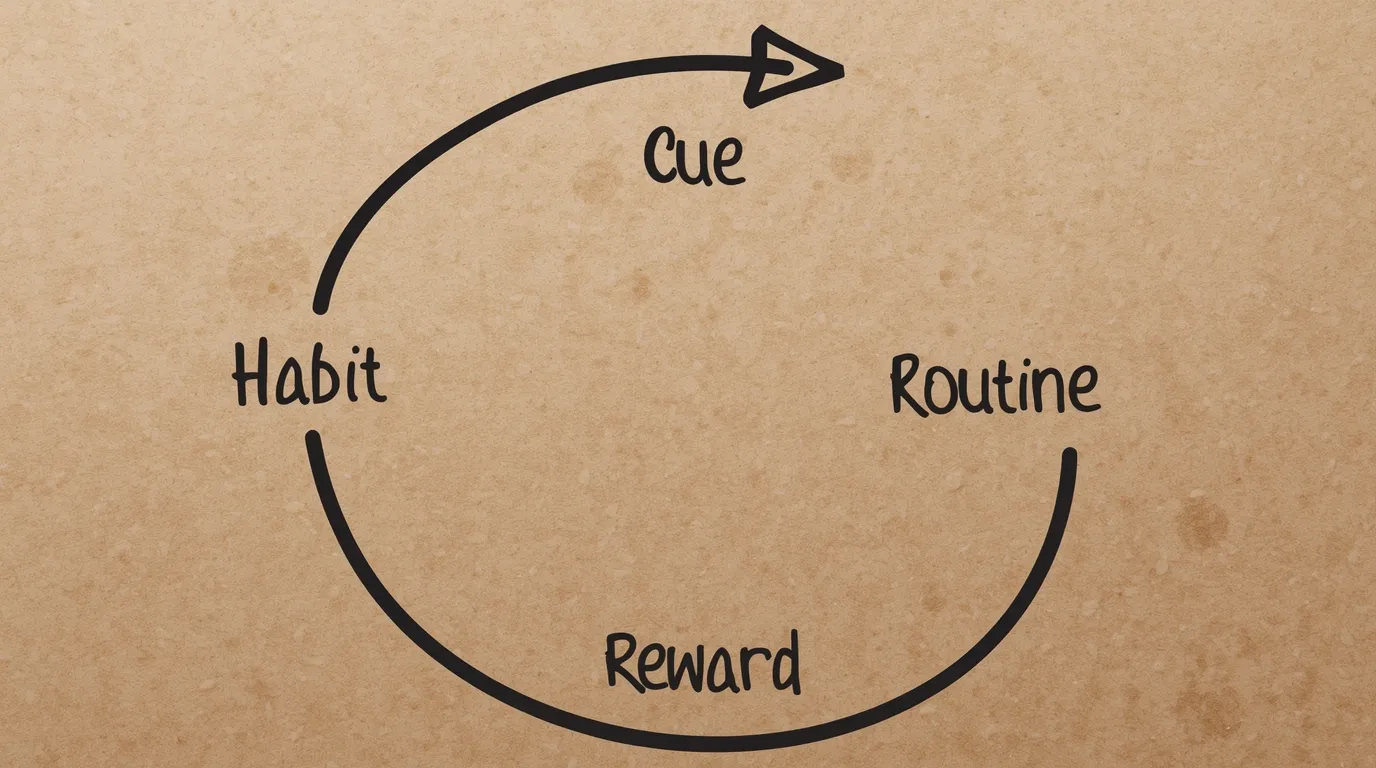
Absolutely. Break your task into minimum viable steps, then apply the flywheel: micro-win → affirm → reward → repeat. Over time, momentum builds and creativity flows easier.